Critical Techniques for Low-Cost Auto Service: Decrease Hours and Expenses
Discovering reasonably priced auto repair can be a tough task for many car owners. With different alternatives available, it is vital to approach the workflow strategically. By researching community repair technicians and understanding automobile care requirements, individuals can steer clear of excess costs. There are also approaches to tackle small troubles on their own. However, the undertaking doesn't end there; investigating further budget-reducing approaches can lead to larger financial gains. What strategies might be worth reflecting on next?
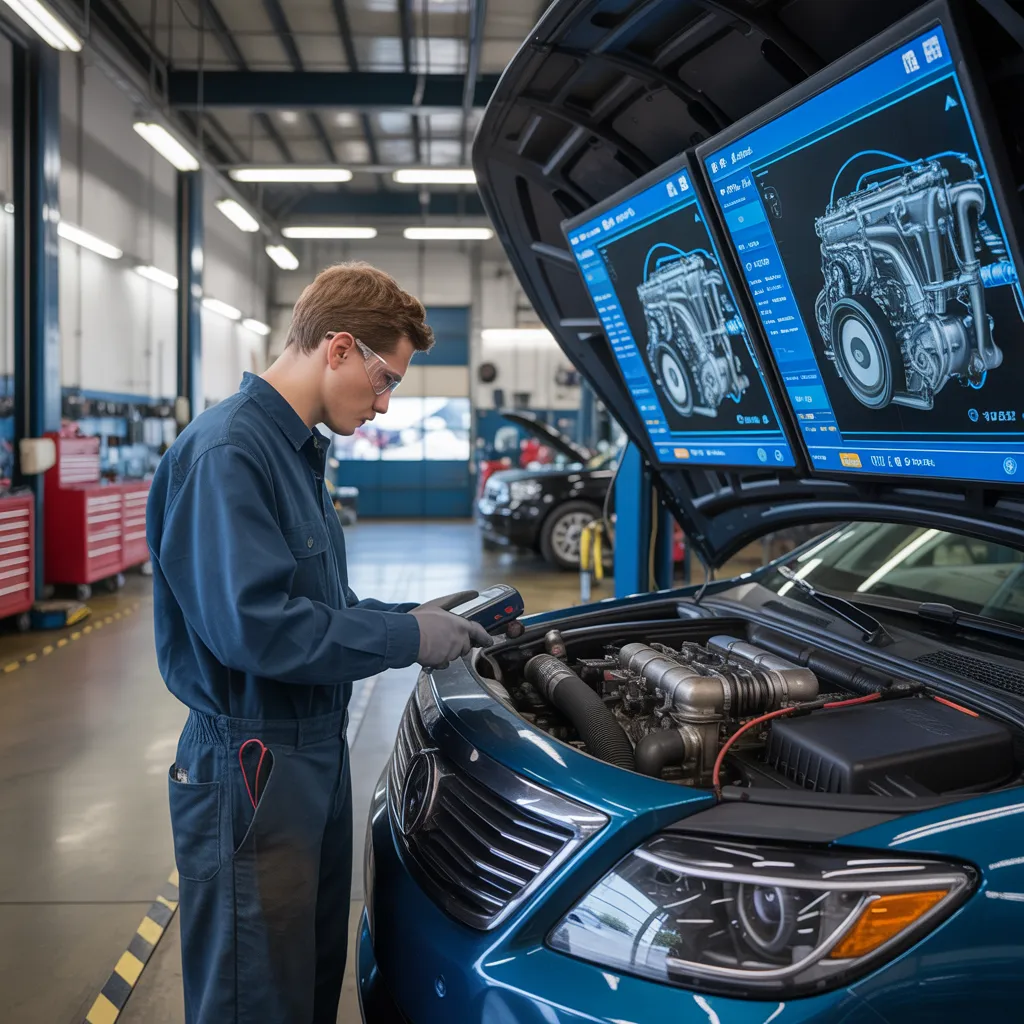
Find and Assess Local Auto Repair Specialists
When seeking inexpensive auto repair, it is vital to analyze and contrast local mechanics to guarantee the best value for service. A detailed examination involves checking online reviews, ratings, and testimonials to determine the quality of service provided. Consumers should also inquire about the certifications and experience of the mechanics, as this can greatly influence the reliability of repairs.
In addition, requesting rate quotes from diverse shops provides clarity into the going costs for targeted services. This contrast helps to identify any unusually high or suspiciously low prices. Moreover, meeting with craftspeople in person facilitates a better evaluation of their professionalism and client relations, which are indispensable criteria in developing trust.
In the final analysis, devoted inquiry and assessment furnish vehicle owners to determine appropriately, securing they engage a mechanic who offers both quality repairs and fair pricing, as a result preserving capital in the long run.
Know what your vehicle needs for maintenance
How can car owners ensure their cars remain in optimal condition? Understanding a vehicle's maintenance needs is essential. Each car comes with a maker's service schedule, detailing when particular maintenance should be performed. This schedule generally contains oil changes, tire rotations, brake inspections, and fluid replacements. Adhering to these recommendations helps avoid costly repairs down the line.
Additionally, owners should recognize red flags indicating possible problems, such as strange sounds additional information or warning indicators. Regularly checking liquid amounts, tire pressure, and the condition of belts and tubes can also prolong a vehicle's lifespan.
Apply do-it-yourself repairs to small issues
Comprehending a car's upkeep requirements establishes the basis for effective car care, while many minor issues can be addressed through do-it-yourself repairs. For example, jobs such as changing windshield wipers, replacing air filters, or refilling fluids can be easily managed by car owners. DIY repairs not only save money on labor expenses but also empower individuals to develop a better comprehension of their vehicles.
Online materials, including tutorial videos and forums, provide valuable guidance for those inexperienced with car maintenance. Basic tools, like wrenches, screwdrivers, and pliers, are often adequate for these straightforward repairs. Additionally, maintaining regular upkeep of minor issues can prevent them from progressing into more substantial problems, ultimately prolonging the vehicle's lifespan. By implementing a DIY approach, car owners can effectively manage their maintenance needs while reducing expenses and improving their overall automotive knowledge.
Find Bargains and Marketing Campaigns
What approaches can car owners apply to reduce spending on maintenance expenses? One effective approach is to seek out deals and promotions supplied by auto repair shops. Many organizations provide seasonal sales, customer rewards programs, or referral bonuses that can greatly minimize repair bills. Car owners should also copyright for communications or follow social media accounts of local repair shops, as these often highlight exclusive deals.
In addition, utilizing web-based coupon resources can pinpoint short-term promotions that can be utilized to repairs. Car owners may notice that some manufacturers or parts suppliers offer rebates on select services, which can further aid in lowering costs. By committing the time to examine and maintain awareness about existing promotions, car owners can save money while ensuring their vehicles remain in fine condition. Overall, being assertive in seeking discounts can provide to substantial savings on necessary auto repairs.
Maintain a Detailed Maintenance Log
Maintaining a comprehensive log of car upkeep is essential for car owners aiming to reduce repair costs. By recording every service and repair, owners can track the car's background, identifying patterns that may indicate potential problems. This documentation acts as a valuable reference for mechanics, enabling them to make informed decisions about necessary repairs and maintenance schedules.
Regular entries including oil changes, tire rotations, and brake inspections help confirm that the automobile remains in peak condition. Additionally, documenting maintenance can assist in warranty claims, as it demonstrates adherence to the prescribed service intervals by the manufacturer.
Furthermore, a detailed log can supply leverage when haggling over repair prices, as it exhibits proactive maintenance efforts. Ultimately, keeping a systematic service log not only extends vehicle longevity but also enables owners to make smarter financial decisions regarding their vehicle maintenance requirements.
Often Inquired Questions
How Do I Distinguish a Reliable Mechanic?
To identify a reputable technician, one should seek recommendations, examine feedback, validate expertise, and observe shop cleanliness. Participating in honest conversations about expenses and service work also fosters transparency and establishes confidence in the mechanic's expertise.
What Are Typical Warning Signs My Car Needs Service?
Common indicators a car requires repairs include strange sounds, warning lights on the dashboard, poor performance, fluid leaks, and changes in handling or braking. Addressing these issues promptly can prevent further damage and higher repair costs.
Is it Preferable to Choose Original Parts or Aftermarket Parts?
Using original parts assures seamless operation and trustworthiness, while replacement components may present cost savings. The preference depends on individual priorities, financial resources, and the specific repair, weighing sustained benefits against immediate expenses for best decision-making.
How Do I Manage Conflicts With a Repair Shop?
To address conflicts with a repair shop, one should document all interactions, gather documentation, and plainly state concerns. If required, bringing the problem to management or obtaining dispute resolution can help address disagreements effectively.
What Makes up the Standard Cost of Routine Repairs?
The typical price of common auto repairs varies considerably. For instance, brake pad changes typically ranges from $150 to $300, while engine analysis may cost between $100 and $200, based on the vehicle and location.